Kashi Vishwanath Morning Aarti – Good Morning Images & Divine Sunrise Moments

There are moments in life when time seems to pause, and all that remains is silence, faith, and light. One such moment is the Kashi Vishwanath Morning Aarti — a sacred ritual that begins before the sun rises, blending spiritual devotion with nature’s first light. Every morning in Varanasi, as the Ganges quietly flows past the ghats, the temple of Lord Shiva awakens with chants, bells, and divine rhythm. The city, known as Kashi, is not just a geographical place; it is a spiritual frequency — a living prayer vibrating through every sound and every sunrise.
This article is dedicated to those who seek to start their day with something more profound than routine. Here, we explore the beauty of Kashi Vishwanath Morning Aarti – Good Morning Images & Divine Sunrise Moments, capturing the glow of dawn, the faces of devotion, and the mesmerizing atmosphere that only Kashi can offer. Whether you are a traveler, content creator, or seeker of serenity, these insights and visuals will help you connect with the spiritual energy that makes mornings in Varanasi truly divine.
The Spiritual Essence of Kashi Vishwanath Morning Aarti
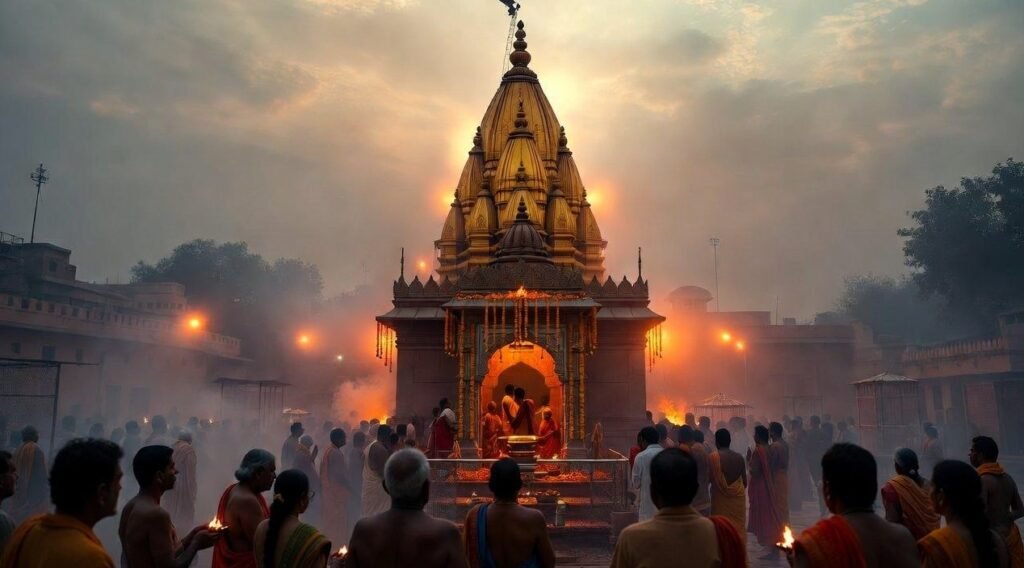
Every dawn at Kashi Vishwanath Temple is a scene of perfect harmony — where ancient rituals meet the freshness of a new day. The Morning Aarti, known as Mangala Aarti, takes place before sunrise and is one of the five daily aartis offered to Lord Shiva. The word Mangala means auspicious, and indeed, the ceremony sets a positive tone for the entire day.
The air fills with incense, and the rhythmic chants of “Om Namah Shivaya” echo through the temple corridors. Priests dressed in saffron robes move gracefully, holding large brass lamps whose flames flicker like living souls. This is not just a ritual; it is an awakening — of the spirit, of the senses, and of the entire city. Witnessing it even once can leave a mark on your heart forever.
For many, the Kashi Vishwanath Morning Aarti represents more than devotion; it is a meditation on light itself. As the first rays of the sun touch the golden spire of the temple, one can feel the union of earthly worship and celestial blessing. This divine meeting of human faith and natural brilliance is what gives Kashi its timeless charm.
A Golden Sunrise Over Shiva’s Abode
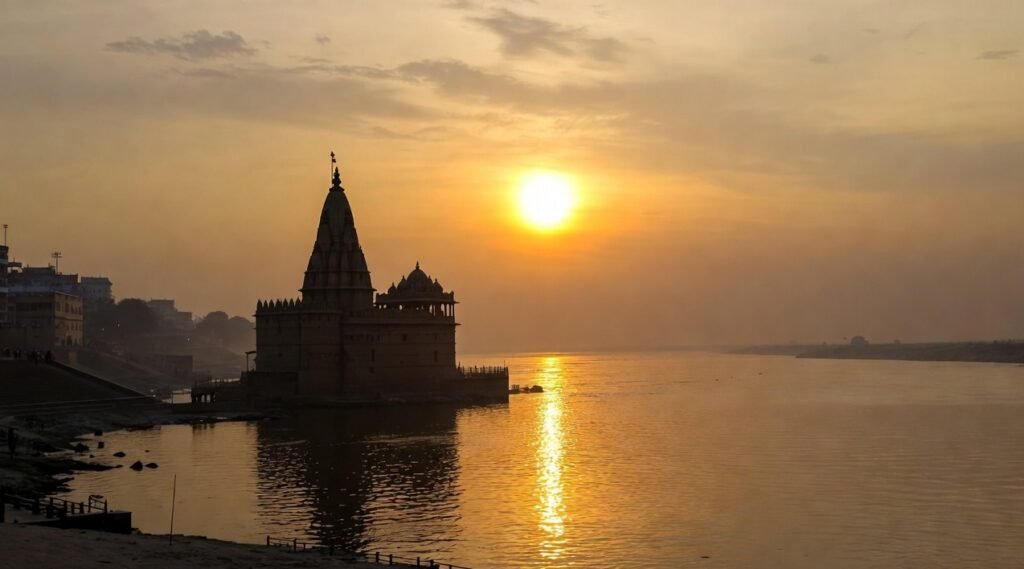
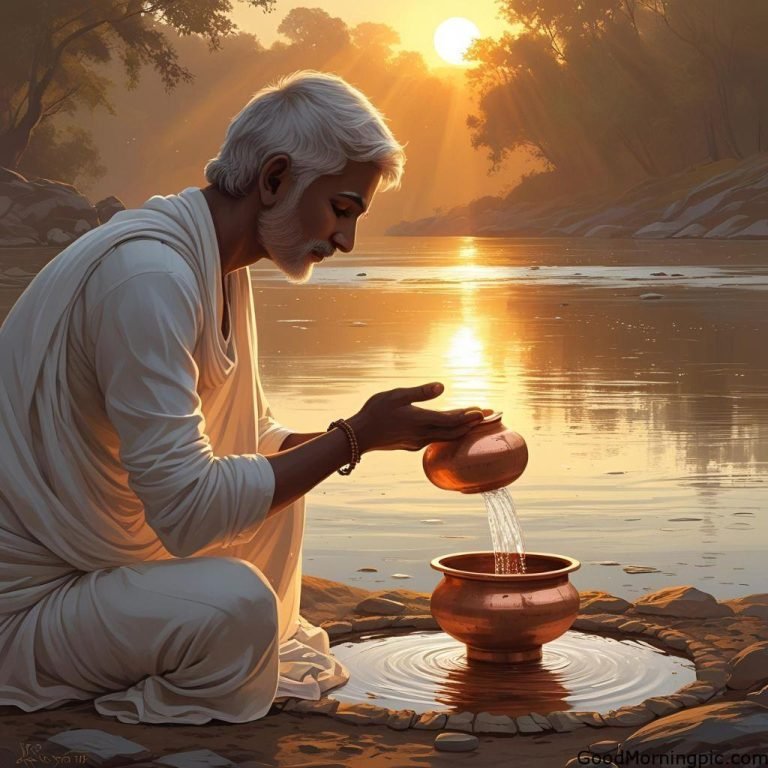
The sunrise over Varanasi is unlike any other sunrise in the world. It doesn’t just brighten the sky — it illuminates centuries of faith. From the banks of the Ganga, as the night retreats, a faint glow appears behind the silhouette of the Kashi Vishwanath Temple. Slowly, the temple’s golden dome begins to shimmer, reflecting the promise of a new day.
This sight inspires countless Good Morning Images that capture the essence of spirituality in motion. Many photographers and devotees call this the “Golden Hour of Kashi,” a time when the world seems painted with light and peace. In these moments, it feels as though Lord Shiva himself greets the rising sun.
Here’s what a typical sunrise experience feels like in Kashi:
- The sky shifts from deep indigo to saffron hues.
- Temple bells begin to ring softly.
- The chanting grows louder, weaving through the morning air.
- The aroma of sandalwood and flowers spreads across the courtyard.
Watching this scene, one realizes that the divine sunrise moments of Kashi are not just visual; they are emotional experiences that awaken a sense of inner calm.
Inside the Ritual: The Mangala Aarti Experience
Before dawn, devotees gather outside the sanctum of Kashi Vishwanath Temple. The streets are still quiet, but the anticipation is alive. Inside, priests prepare for the Mangala Aarti — a sacred ceremony that connects human devotion with divine grace.
The aarti begins with the lighting of diyas (lamps). One by one, the flames rise, symbolizing the soul’s ascent toward light. The rhythmic ringing of bells and the deep resonance of conch shells follow, creating a vibration that seems to dissolve all worldly noise. Each gesture of the priest, each chant of the mantra, carries centuries of tradition passed down through generations.
To stand in that sacred space, surrounded by hundreds of devotees, is to feel the living energy of Kashi Vishwanath Morning Aarti. You don’t merely observe it — you become part of it. The spiritual energy feels tangible, almost electric, as if the universe itself is in prayer.
This is what makes the morning ritual so unforgettable. It isn’t about watching something holy; it’s about feeling holiness within yourself.
Divine Reflections: The Ganga and the Temple in Harmony
When you step out of the temple after the aarti, the view that greets you is nothing short of divine poetry. The Ganges River flows silently, mirroring the golden reflection of the Kashi Vishwanath Temple. This serene reflection symbolizes the perfect harmony between heaven and earth.
Many photographers and devotees capture these Good Morning Images where the temple and river merge into one tranquil composition. The stillness of the water, combined with the warm light of dawn, creates an almost surreal atmosphere. It’s a visual reminder that Shiva, the eternal yogi, resides both within and beyond form.
These divine sunrise moments also remind us of the fleeting beauty of life. Just as the river carries reflections downstream, time too moves swiftly. Yet, every morning at Kashi offers a chance to begin again — to let go of yesterday and start fresh, guided by light and faith.
For travelers seeking a deeper connection, standing by the ghats and witnessing this sacred reflection is an experience beyond words.
Offerings of Devotion: Flowers, Lamps, and Bel Leaves
Before the aarti begins, devotees prepare offerings for Lord Shiva. Each item has symbolic meaning — bel leaves represent purity, milk represents peace, and flowers signify devotion. As dawn approaches, the temple courtyard fills with fragrance — jasmine, marigold, and sandalwood. The sight of devotees carefully placing their offerings near the Shiva Lingam is profoundly moving.
In these simple gestures lies the heart of Hindu spirituality — the belief that even the smallest act, when done with love, reaches the divine. For many, preparing offerings at sunrise is a form of meditation. The act of lighting a diya or arranging flowers isn’t just ritualistic; it’s a silent conversation with the divine.
Photographers often capture these offerings in their Good Morning Images, emphasizing the contrast between the golden morning light and the vivid colors of devotion. Each image becomes a spiritual message — that light, faith, and beauty are inseparable.
For modern seekers, even a digital glance at such images can inspire mindfulness and gratitude.
The Pilgrim’s Path: Sadhus and Devotees at Dawn
Every morning in Kashi, as the first light of day touches the ghats, you can see saffron-robed sadhus walking toward the Kashi Vishwanath Temple. Their steps are slow, deliberate, filled with centuries of tradition. Some carry tridents, others sacred ash, all united by devotion to Lord Shiva. Watching them move through the misty streets feels like witnessing time travel — a glimpse of India’s timeless spiritual heart.
For photographers and travelers, this is one of the most iconic scenes of Kashi Vishwanath Morning Aarti – Good Morning Images & Divine Sunrise Moments. The silhouettes of sadhus against the rising sun reflect both solitude and strength. Their journey each morning is a symbol of human perseverance — a reminder that the path of faith is walked every day, not just once in a lifetime.
These early hours in Varanasi are more than a ritual; they’re a rhythm of life. Even locals pause to watch the sunrise processions, bowing their heads in respect. It’s a collective awakening — a spiritual routine that connects everyone, from the humblest pilgrim to the wisest sage.
The Temple Courtyard Bathed in Morning Light
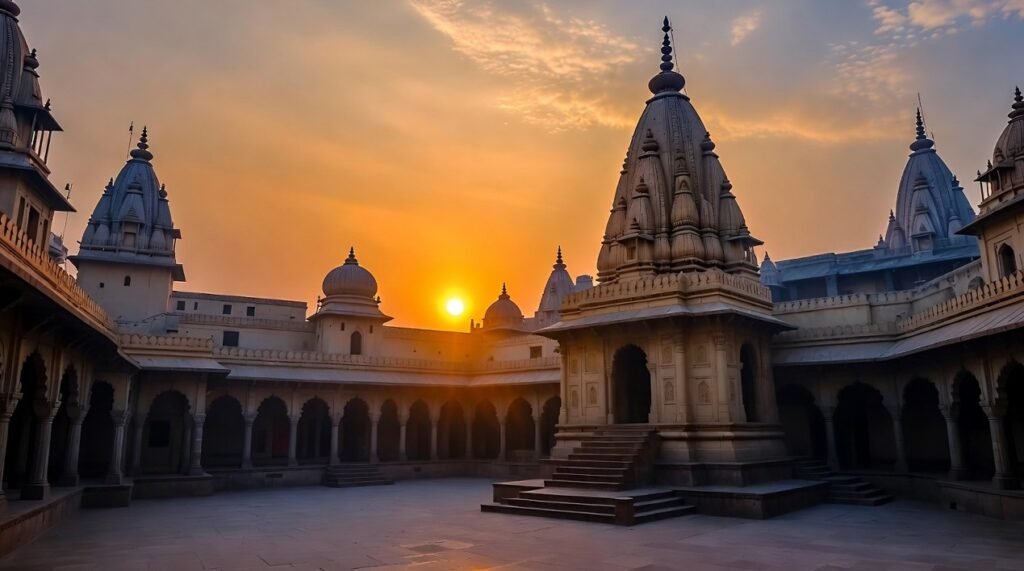
As the sun rises higher, beams of golden light flood the inner courtyard of the Kashi Vishwanath Temple. The polished stones reflect this light, creating patterns that seem almost mystical. Standing there, you feel as though the temple itself breathes — alive with the energy of devotion and nature combined.
This magical interplay of light and faith is what makes the divine sunrise moments in Kashi so mesmerizing. The temple, once shadowed in pre-dawn stillness, now glows as if the universe itself has lit a lamp in Shiva’s honor.
Visitors often describe this as the “moment of divine blessing.” The warmth of the morning sun feels like an embrace from the cosmos. It’s also a perfect time to capture Good Morning Images that radiate positivity, peace, and the beauty of beginnings.
To truly feel this energy, one doesn’t even need to be inside the temple. Standing nearby, watching the light touch the domes and the people alike, is enough to stir a deep sense of gratitude and wonder.
Sacred Sounds: Bells, Chants, and Spiritual Vibrations
Sound is a vital part of Kashi’s morning. As the aarti progresses, the ringing of bells fills the air, blending with the rhythmic chanting of mantras. This sonic symphony doesn’t just echo through the temple — it resonates within every heart present.
The repetitive sound of “Har Har Mahadev” creates a vibration that feels purifying. It awakens the spiritual self, gently reminding us of our connection to something larger than life. The combination of human voice, metal bells, and sacred rhythm forms an ancient frequency believed to align the body and mind with the divine.
For devotees, these sacred sounds are more than music — they’re prayer in motion. Even those who can’t physically be there often listen to recordings or watch videos of the Kashi Vishwanath Morning Aarti to start their day with this energy.
Many digital creators use Good Morning Images and sound clips from this ceremony to inspire mindfulness, faith, and positivity among their followers.
Floral Devotion: The Art of Preparing Temple Garlands
Before the first light touches the temple spires, Varanasi’s narrow lanes come alive with quiet devotion. Local women and flower vendors begin preparing garlands for the morning rituals. The air fills with the fragrance of marigold, rose, and jasmine. Each petal is strung with care and intention — an offering not just of beauty, but of love.
In Hindu tradition, flowers are seen as carriers of divine energy. Their freshness symbolizes purity, while their fragrance signifies spiritual joy. These garlands are used to adorn the Shiva Lingam, the altar, and the temple doorways. As dawn breaks, the sight of fresh blooms hanging across the sacred space adds color and serenity to the environment.
Photographers love capturing these moments for Good Morning Images, showing hands at work, petals scattered on the ground, and the first rays of the sun lighting up the flowers. Each image becomes a tribute to devotion in its most natural form.
Preparing flower garlands may seem simple, yet it is deeply spiritual. It’s a reminder that faith isn’t always grand — sometimes it blooms quietly, one petal at a time.
Pilgrims and Photographers: Capturing the Heart of Kashi
As the aarti concludes, many pilgrims step outside the temple to capture the scene — the sun now a golden orb above the horizon, its rays spilling across the ancient city. The sacred architecture of Kashi becomes a backdrop for countless Good Morning Images, blending culture, emotion, and divine light.
For pilgrims, taking a photo isn’t just about memory; it’s about preserving a spiritual experience. Each click captures the essence of the Kashi Vishwanath Morning Aarti – Good Morning Images & Divine Sunrise Moments, allowing one to relive that peace again and again.
Content creators, bloggers, and spiritual photographers often find Varanasi irresistible at sunrise. The contrast between the smoky incense, golden temple, and soft morning mist creates a cinematic beauty that speaks without words. Even amateur photographers feel inspired to capture something sacred, knowing that every frame holds a piece of eternity.
When viewed later, these images don’t just depict a place — they reflect the living pulse of faith, making every morning in Kashi timeless.
The Spiritual Symbolism of Dawn in Hindu Tradition
In Hindu philosophy, dawn holds a special meaning. It symbolizes awakening, purity, and the victory of light over darkness. The Kashi Vishwanath Morning Aarti perfectly embodies this symbolism. As the first light spreads across the Ganga, it feels as though nature itself joins the prayer.
Dawn is also called Brahma Muhurta — a sacred period believed to enhance meditation and inner clarity. According to ancient scriptures, this is when the atmosphere carries the highest spiritual vibrations. Performing rituals or prayers during this time helps one connect with universal consciousness.
That’s why the divine sunrise moments in Kashi feel so powerful. It’s not just about the physical beauty of the sunrise but the spiritual energy it brings. The entire ritual — from lighting lamps to chanting mantras — mirrors the cosmic rhythm of awakening.
For many, beginning the day by watching the Kashi Vishwanath Morning Aarti is like aligning the soul with the universe. It sets a tone of gratitude, focus, and faith that lasts throughout the day.
Kashi Vishwanath Morning Aarti Timings and Visitor Guide
For those who wish to experience this sacred event in person, planning is essential. The Mangala Aarti at Kashi Vishwanath Temple typically begins between 3:00 AM and 4:00 AM, depending on the season. Tickets are limited and must be booked in advance through the temple’s official website or at the temple office.
Here’s a helpful overview for visitors:
| Aspect | Details |
|---|---|
| Aarti Name | Mangala Aarti (Morning Aarti) |
| Timing | Around 3:00–4:00 AM (varies seasonally) |
| Duration | Approximately 45 minutes |
| Dress Code | Traditional Indian attire recommended |
| Photography | Restricted inside sanctum, allowed outside |
| Entry | Requires a valid ticket and ID proof |
| Best Time to Visit | October to March for clear sunrises |
Arrive at least 30 minutes early to soak in the atmosphere. Carry minimal belongings, as temple security is strict. After the aarti, you can walk to the ghats to watch the sunrise reflect upon the river — a sight that embodies the phrase “Good Morning from Shiva’s Abode.”
Local Life at Dawn: Markets, Music, and Morning Tea
The spiritual awakening of Kashi extends beyond the temple walls. After the morning aarti, the nearby lanes start buzzing with gentle activity. Tea stalls open, offering steaming cups of chai to devotees just returning from the temple. The aroma of cardamom and ginger fills the cool air, blending beautifully with the faint echo of temple bells.
Street musicians begin playing soft bhajans, their voices mixing with the chirping of birds. Vendors arrange fruits, incense sticks, and small souvenirs, ready for the morning crowd. Everything feels alive yet peaceful — a perfect balance between devotion and daily life.
For travelers, these moments are worth savoring. Sitting by the river with a cup of chai, watching the city awaken, is one of the most grounding experiences one can have. It reminds us that spirituality isn’t always about rituals — sometimes it’s found in simple human connections under a rising sun.
Why Kashi Vishwanath Morning Aarti Inspires Content Creators
In the digital age, spirituality and storytelling have found a new platform — visual media. The Kashi Vishwanath Morning Aarti – Good Morning Images & Divine Sunrise Moments provides an endless well of inspiration for photographers, bloggers, and cultural influencers.
The lighting, atmosphere, and raw emotion of the ceremony make every frame extraordinary. More importantly, the visuals evoke powerful emotions — calm, gratitude, and reverence. That’s why many creators use these images in their blogs, meditation channels, or morning affirmation posts.
Moreover, Kashi’s energy transcends religion. Even viewers unfamiliar with Hindu rituals feel moved by the visual poetry of lamps, chants, and sunrise light. This universal appeal makes Kashi Vishwanath Morning Aarti not just a local ritual but a global symbol of peace and positivity.
For creators, it’s a reminder that spirituality can be shared not just through words but through light, sound, and sincere visual storytelling.
Cultural Significance: The Eternal Rhythm of Devotion
The Kashi Vishwanath Temple stands as one of the twelve Jyotirlingas — the most sacred shrines dedicated to Lord Shiva. Its presence on the banks of the Ganga makes it a spiritual axis of Hindu belief. The Morning Aarti here has continued for centuries, unchanged in its essence.
Each generation of priests inherits this responsibility like a sacred thread of continuity. Despite changing times, technology, and lifestyles, the ritual still begins before dawn — symbolizing constancy amidst change. This enduring rhythm reflects the heart of Indian spirituality: balance, tradition, and surrender.
Witnessing the aarti is witnessing India’s spiritual heartbeat — alive, timeless, and luminous. It’s a rare moment where mythology meets modernity, and faith becomes a lived experience.
That’s why the divine sunrise moments of Kashi aren’t just tourist attractions; they are daily affirmations of hope. They remind us that light always returns, that faith renews itself every morning.
Practical Tips for a Peaceful Aarti Experience
If you plan to attend the Kashi Vishwanath Morning Aarti, a few tips can make your visit smoother and more meaningful:
- Book early: Tickets sell out quickly, especially during festivals like Mahashivratri.
- Dress respectfully: Modest, traditional clothing is preferred.
- Reach early: Arrive at least 30 minutes before the aarti starts to find a good spot.
- Stay silent: Avoid talking or using your phone during the ceremony.
- Observe, don’t rush: Let the experience unfold naturally.
- Respect rules: Photography inside the sanctum is restricted for spiritual reasons.
- Reflect afterward: Spend a few minutes by the Ganga to absorb the peace.
Following these simple steps ensures that your visit remains sacred, memorable, and free from stress.
The Emotional Impact: Why Mornings in Kashi Feel Transformative
There’s something profoundly healing about watching the sunrise in Kashi. The combination of sound, light, and faith awakens emotions that are hard to express. For many visitors, the experience feels like standing on the edge of eternity — a moment where heaven seems to touch earth.
The Kashi Vishwanath Morning Aarti is not just a visual spectacle; it’s an emotional reset. It helps you shed yesterday’s worries and start anew. The ritual’s rhythm mirrors the human need for renewal — every flame, every chant, every sunrise reminding us that each day is another chance to live with awareness.
When you later look at the Good Morning Images captured in Kashi, you don’t just see beauty — you feel it. You remember the sound of the bells, the scent of incense, and the warmth of faith. That emotional imprint stays long after you leave the city.
Conclusion – Begin Every Day with the Light of Kashi
The Kashi Vishwanath Morning Aarti – Good Morning Images & Divine Sunrise Moments embodies everything that makes Varanasi the spiritual capital of India — devotion, light, continuity, and transcendence. It’s more than a ritual; it’s a celebration of life awakening each morning with the divine.
Starting your day with these sacred visuals or witnessing them in person can transform the way you see mornings forever. Whether you’re a pilgrim, traveler, or digital storyteller, Kashi offers something eternal — a glimpse of light that touches both heaven and heart.
Every sunrise in Varanasi whispers the same message: life renews itself each day, faith never fades, and light always returns. That is the essence of Kashi, the city where the sun rises not just over the Ganga but within every soul.
Frequently Asked Questions (FAQs)
1. What is the Kashi Vishwanath Morning Aarti?
It is the Mangala Aarti, a sacred ritual performed before sunrise at the Kashi Vishwanath Temple in Varanasi, dedicated to Lord Shiva. It symbolizes the awakening of divine energy and the beginning of a new day filled with blessings.
2. What time does the Morning Aarti start?
The Mangala Aarti usually begins between 3:00 AM and 4:00 AM, depending on the season. Devotees must reach early and obtain a ticket to attend.
3. Can tourists attend the Morning Aarti?
Yes, visitors of all faiths are welcome, provided they follow temple guidelines, dress modestly, and maintain silence during the ritual.
4. Are Good Morning Images of Kashi Vishwanath Temple allowed to be taken?
Photography is not permitted inside the inner sanctum but allowed outside the temple and near the ghats. Many photographers capture sunrise images and temple silhouettes that beautifully represent the morning’s divinity.
5. What is the significance of attending the aarti at dawn?
Dawn is considered the most sacred time for spiritual practice. Attending the aarti aligns one’s energy with cosmic vibrations, promoting peace, clarity, and devotion.
6. When is the best time of year to witness the aarti?
October to March offers pleasant weather and clear skies, making it ideal for experiencing and photographing the divine sunrise moments.
7. How long does the Kashi Vishwanath Morning Aarti last?
The ceremony lasts about 45 minutes, followed by personal prayers and offerings by devotees.
8. Why are Good Morning Images from Kashi so popular online?
Because they capture not just beauty but emotion — the serenity of dawn, the devotion of priests, and the sacred glow of light. These images inspire positivity and reflection for people worldwide.