
The World of Casinos: Entertainment, Strategy, and the Reality of Risk
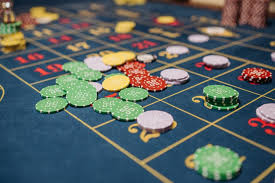
Casinos have captivated people for centuries, offering a unique blend of entertainment, suspense, and the allure of winning money. Whether it’s the dazzling lights of world-famous gambling hubs or the convenience of online platforms, casinos continue to thrive as one of the most popular forms of leisure worldwide. Behind the glamour, however, lies a complex industry shaped by history, psychology, technology, and regulation.
The Historical Evolution of Casinos
The roots of gambling stretch back thousands of years. Ancient civilizations such as the Chinese, Greeks, and Romans all engaged in games of chance. However, the concept of a structured gambling house began in 17th-century Europe. The first recognized casino, the Ridotto in Venice, Italy, opened in 1638 to provide controlled gambling during carnival season.
Over time, casinos spread across Europe and eventually to the United States. In the 20th century, Las Vegas emerged as the global symbol of casino culture, transforming from a desert town into a vibrant entertainment capital. Today, casino destinations exist across the globe, each offering its own unique experience.
Types of Casino Games
Casinos are known for their diverse selection of games, which can generally be categorized into three main types: games of chance, games of skill, and hybrid games.
- Games of Chance
These games rely entirely on luck. Players have no control over the outcome, making them simple and accessible.
- Slot machines
- Roulette
- Baccarat
Slot machines, in particular, dominate casino floors due to their simplicity and potential for large jackpots.
- Games of Skill
Skill-based games involve strategy and decision-making, giving experienced players an advantage.
- Poker
- Blackjack
Poker stands out because players compete against each other rather than the house, making it as much a psychological contest as a mathematical one.
- Hybrid Games
Some games combine luck and skill. Blackjack, for instance, involves both random card distribution and strategic choices like hitting or standing.
The Rise of Online Casinos
The internet has revolutionized the gambling industry. Online casinos have made it possible for players to access their favorite games anytime, anywhere. With the rise of smartphones, mobile gaming has further accelerated this trend.
Modern online casinos offer features such as:
- Live dealer games that simulate real casino environments
- Secure payment systems including e-wallets and cryptocurrencies
- Bonuses and promotions to attract new players
- Advanced graphics and immersive gameplay
This digital shift has expanded the reach of casinos, making them accessible to a broader audience than ever before.
The Psychology Behind Casino Design
Casinos are carefully designed environments intended to maximize player engagement. Every detail—from lighting to layout—is strategically planned.
- No clocks or windows: This prevents players from tracking time.
- Bright lights and sounds: Winning sounds create excitement and encourage continued play.
- Complex layouts: Designed to keep players inside longer.
The concept of “near misses” in games like slot machines also plays a psychological role. Even when players lose, outcomes that appear close to winning can motivate them to keep playing.
Economic Impact of Casinos
Casinos play a significant role in many economies. They generate revenue through tourism, taxation, and job creation. Major casino hubs attract millions of visitors annually, benefiting hotels, restaurants, and entertainment venues.
Governments often regulate casinos heavily, as they can be both a source of income and a potential social issue. Licensing systems, taxation policies, and strict oversight are common in regions where gambling is legal.
Risks and Challenges
Despite their entertainment value, casinos come with risks. Gambling addiction is one of the most serious concerns associated with the industry. Problem gambling can lead to financial difficulties, relationship issues, and mental health challenges.
Common warning signs include:
- Spending more money than intended
- Chasing losses
- Neglecting responsibilities
- Borrowing money to gamble
Casinos and online platforms increasingly promote responsible gambling by offering tools such as deposit limits, self-exclusion options, and access to support resources.
Responsible Gambling Practices
Enjoying casinos safely requires discipline and awareness. Some key principles include:
- Set a budget before playing and stick to it
- Treat gambling as entertainment, not income
- Take regular breaks
- Avoid gambling under stress or emotional distress
Understanding the odds and accepting losses as part of the experience can help maintain a healthy relationship with gambling.
Technology and the Future of Casinos
The casino industry continues to evolve with advancements in technology. Innovations such as virtual reality (VR) and augmented reality (AR) are beginning to reshape the gaming experience, offering immersive environments that replicate physical casinos.
Artificial intelligence is also being used to:
- Detect problem gambling behavior
- Personalize user experiences
- Improve security and fraud detection
Blockchain technology and cryptocurrencies are introducing new levels of transparency and efficiency in transactions, particularly in online casinos.
Cultural Influence of Casinos
Casinos have become deeply embedded in popular culture. They are frequently depicted in movies, television shows, and literature as symbols of risk, reward, and high-stakes drama. This cultural presence has helped shape public perception, often glamorizing the casino lifestyle.
Conclusion
Casinos represent a fascinating intersection of entertainment, economics, and human psychology. From their historical origins to their modern digital transformation, they continue to evolve and adapt to changing technologies and consumer preferences.
While casinos offer excitement and the possibility of financial gain, they also require a responsible approach. Understanding the risks, maintaining control, and viewing gambling as a form of entertainment are essential for a positive experience.
As the industry continues to innovate, one thing remains constant: the timeless appeal of taking a chance and the thrill that comes with it.